
Where we are
I discovered one of the most amazing corners of Salta. Between volcanoes, salt flats, and Andean traditions, San Antonio de los Cobres invites you to experience the magic of the Puna.
There's something special about San Antonio de los Cobres. Perhaps it's its altitude, its imposing landscape., or the way time seems to slow down. At over 3,700 meters, this village preserves a deep identity, woven with the wisdom of its peoples. originating and respect for the land. Surrounded by landscape.breathtaking and marked by devotion to Pachamamais one of those places you never forget. Walking through its streets is like witnessing the living history of the Puna. historia viva de la puna.
Where we are
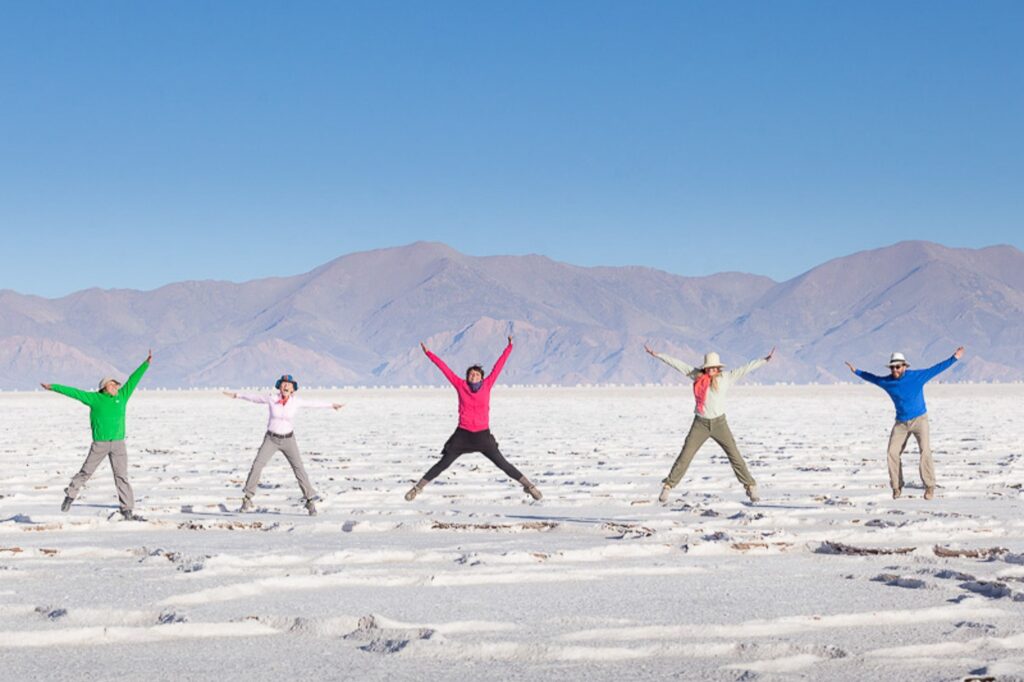
In the heart of the Salta highlands, we await you to discover our land. At over 3,700 meters above sea level, San Antonio de los Cobres is one of Salta's six Magical Places.
Location: The municipality of San Antonio de los Cobres is located in the western part of the province of Salta, in the Puna region of the Andes, and belongs to the department of Los Andes. It borders the municipality of Susques to the north and the municipality of La Poma to the south. The town of San Antonio de los Cobres is situated at 3,775 meters above sea level and is accessible via National Routes 51 and 40. It is located 160 km from the city of Salta. The main hamlets of the municipality are: Matancillas, Urcuro, Corralitos, El Talao,Sansana, Corral Blanco, Corral de Piedra, Campo de Cerrillos, Las Cuevas, Potreros, and Piscuno. The towns are Olacapato, Santa Rosa de los Pastos Grandes and Salar de Pocitos.
Surface: The Municipality of San Antonio de los Cobres has an area of 11,630 km2.
Population: The estimated population is 8,759 inhabitants. The town of San Antonio de los Cobres has an estimated 6,384 inhabitants, and the rest of the municipality has an estimated 2,375 inhabitants.
Language: The official language in Argentina is Spanish. In our destination, English is spoken in some restaurants and hotels.
Currency and means of payment: The official currency is the peso ($), but some businesses accept dollars. In the municipality, most services must be paid for in cash, but some accept credit cards. The most widely accepted credit card is Visa. You should check if they accept cards before making any purchases.
Commercial Hours: Shops are usually open from 8 a.m. to 1 p.m. and from 5 p.m. to 10 p.m. ATMs are available 24 hours a day.
Communication: The town has excellent cell phone service with Claro and Personal, but when traveling, the signal may be lost in some areas. There is some form of communication available in different locations, either phone signal or internet. It's not mandatory, but it's advisable to inform your accommodation, the Tourism Office at 3875 644011, or the Police at 101/4909051, especially when traveling to areas without service. And please remember to let them know when you return from your excursion.
Telephone prefix: The area code for the municipality is (+54) (387) for landlines. For mobile phones, it is (+54) (9) (387).
Emergency Telephone Number: The emergency number for the entire province of Salta is 911. This service is free. The phone number for the San Antonio de los Cobres Police Department is 4909051.
Our culture
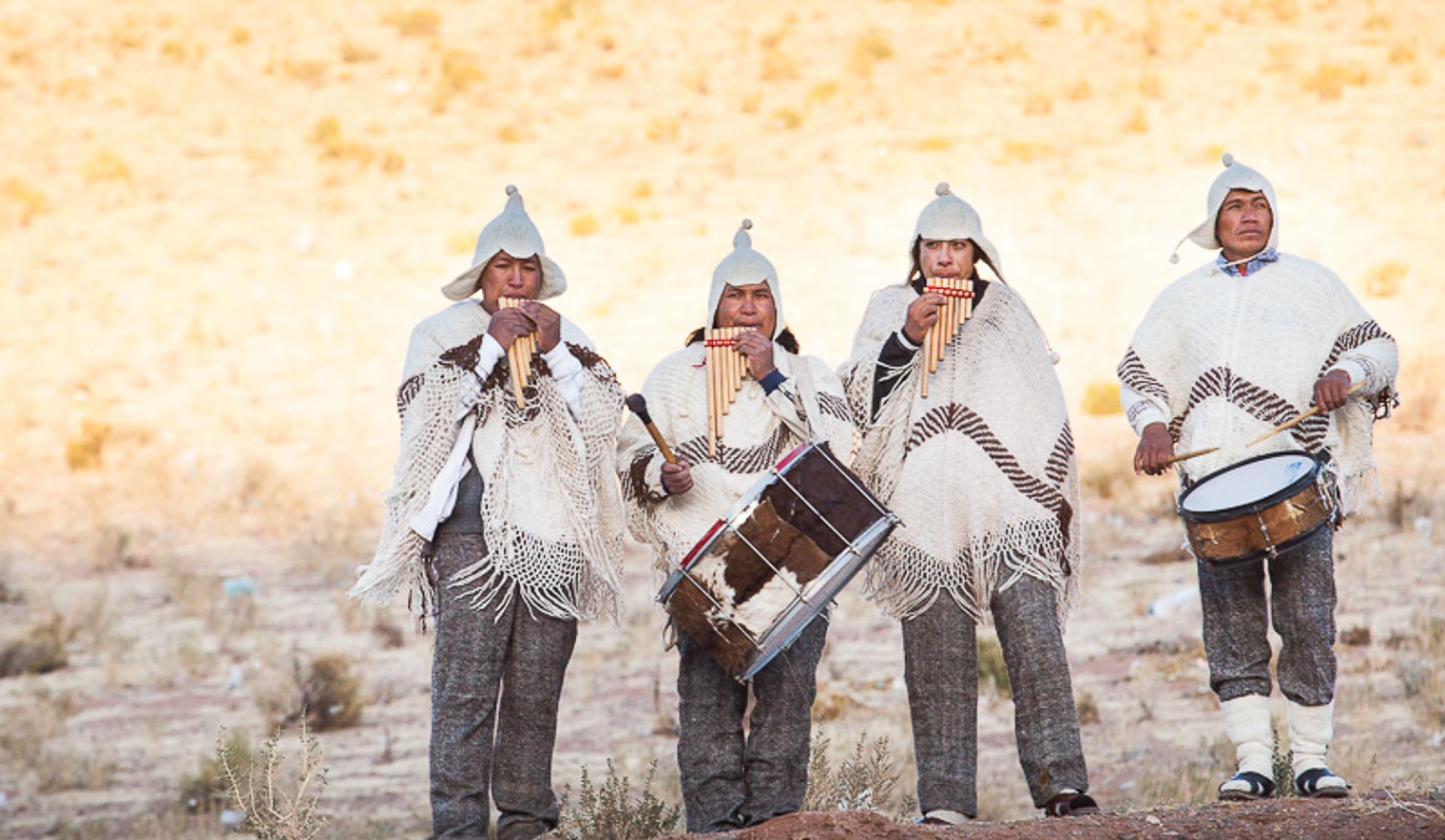
In San Antonio de los Cobres, every gesture, every celebration, and every custom has deep roots. We invite you to share our food, our beliefs, and that way of life that began thousands of years ago.
Our people
Es conocida por su hospitalidad, resiliencia y calidez. Dedicadas a actividades como la minería, la artesanía y el turismo.
Su cultura está profundamente influenciada por las tradiciones andinas, y muchos de sus habitantes son descendientes y tienen raíces indígenas, esto enriquece su identidad cultural como la elaboración de tejidos artesanales, La Ceremonia a la Pachamama, la Señalada, la Corpachada entre otras. Nuestra Gente está orgullosa de su herencia cultural, que se refleja en las tradiciones, festividades, música y gastronomía; estas son manifestaciones de su conexión con la naturaleza.
Además de las profundas raíces culturales, las religiosas son esenciales en la vida de los pobladores. Our people es muy creyente y participa activamente en las fiestas patronales del 13 de junio en Honor a San Antonio de Padua, que reúne a los Misachicos de todos los Parajes del Municipio. Realizan procesiones, serenatas y peregrinaciones. Una de las peregrinaciones más grandes y conmovedoras parte de San Antonio de los Cobres, en el mes de setiembre, donde cientos de fieles peregrinos caminan con bajas temperaturas y terrenos montañosos mientras recorren largas distancias hacia la Catedral Basílica de Salta. La peregrinación no solo es un acto de fe, sino también una experiencia comunitaria que une a personas de todas las edades y orígenes. Al llegar a Salta, los peregrinos son recibidos con gran emoción y devoción, culminando su viaje con una misa en honor al Señor y la Virgen del Milagro.
Esta mezcla de creencias católicas e indígenas crea una identidad religiosa única en la comunidad.
Our people tiene una rica tradición artesanal, que refleja la cultura y el entorno de la Puna salteña. Las artesanías más destacadas incluyen los tejidos de lana de llama, elaborados con técnicas ancestrales transmitidas de generación en generación. Estos tejidos suelen convertirse en guantes, gorros, bufandas, mantas, chales, ponchos y prendas únicas que combinan funcionalidad y arte.
El Tallado en Piedra Ónix y la cerámica es otra expresión importante. Talleres como Thuru Maky, que significa «manos de barro» en quechua, ofrecen a los visitantes la oportunidad de aprender y crear sus propias piezas de cerámica, utilizando arcilla recolectada en la región. Este taller también rescata técnicas tradicionales, como el uso de pirca, y produce cerámica rústica y esmaltada.
Las artesanías se pueden adquirir en el Mercado Artesanal, locales o durante eventos culturales, apoyando así a los artesanos locales y preservando estas tradiciones únicas.
Historia
San Antonio de los Cobres, its name combines devotion to Saint Anthony of Padua with the region's mineral wealth, such as copper. The area has been inhabited for over 4,000 years by indigenous peoples, descendants of the Cacana or Diaguita Calchaquí ethnic group and its subgroups, the Omaguaca and Apatama; the latter eventually forming the most representative core of the Puna region. This territory belonged to the Puna de Atacama, which was colonized by the Spanish around 1560.
This spatial unit of the Puna de Atacama was identified and delimited following its inclusion in the border disputes between Argentina, Chile, and Bolivia. After various disputes over the Tarija territories, in 1889 Argentina and Bolivia signed a border treaty whereby Argentina assumed control of the Puna de Atacama (which was already under Chilean control, having been seized from Bolivia in the War of the Pacific in 1880), while Bolivia retained its rights over Tarija. The Atacama region represented a significant potential source of economic revenue and mineral wealth, which is why Chile refused to cede this territory to Argentina. International arbitration by the United States was sought, and in 1899, the United States awarded Argentina 75% of the claimed territory and Chile 25%. By National Law No. 3906 of January 10, 1900, the National Territory of the Andes was created in this area.
There are few descriptions of San Antonio de los Cobres prior to this date, since its origin as a territorial entity is linked to the position it occupied within the Territorial Organization of the Andes.
Our town was part of the Department of La Poma until 1901. This settlement belonged to the landowner Fermín Grande, who donated 200 hectares. In 1902, San Antonio de los Cobres was established as the capital of the National Territory of the Andes.
Thus, the telegraph network was installed, roads were improved, the first school was established, and the railroad arrived. The predominant economic activities were mining, herding, and subsistence farming. Trade was also conducted via donkey caravans to the Quebrada de Humahuaca, the Calchaquí Valleys, the Western Valleys of Catamarca, the markets of southern Bolivia, and to Toconao and San Pedro de Atacama in Chile. These exchanges had both social and economic significance.
The National Territory of the Andes in its years presented a population growth and a productive development that was not significant compared to the other National Territories and on September 21, 1943 by decree No. 9365 the institutional dissolution and fragmentation of the territory of the Governorate of the Andes into three fractions that were assigned to the provinces of Salta, Jujuy and Catamarca was established.
Tradiciones
In our village, tradition is part of everyday life. From respect for Pachamama to the way we prepare food, everything is passed down from generation to generation. The entire community proudly safeguards this legacy that comes from the mountains, the sun, the wind, and our collective memory.
I. Ceremonia a la Pachamama: mes de agosto.
II. Fiesta Patronal del 13 de junio en Honor a San Antonio de Padua.
III Carnaval Andino.
IV. Dia de los Fieles Difuntos: 1 y 2 de noviembre
Leyendas
San Antonio de los Cobres is full of stories and tales that were born with the hills and the people who learned to listen to the silence. Some emerge during festivals, others are whispered among families. All of them form part of the identity of the place.
Flora and Fauna
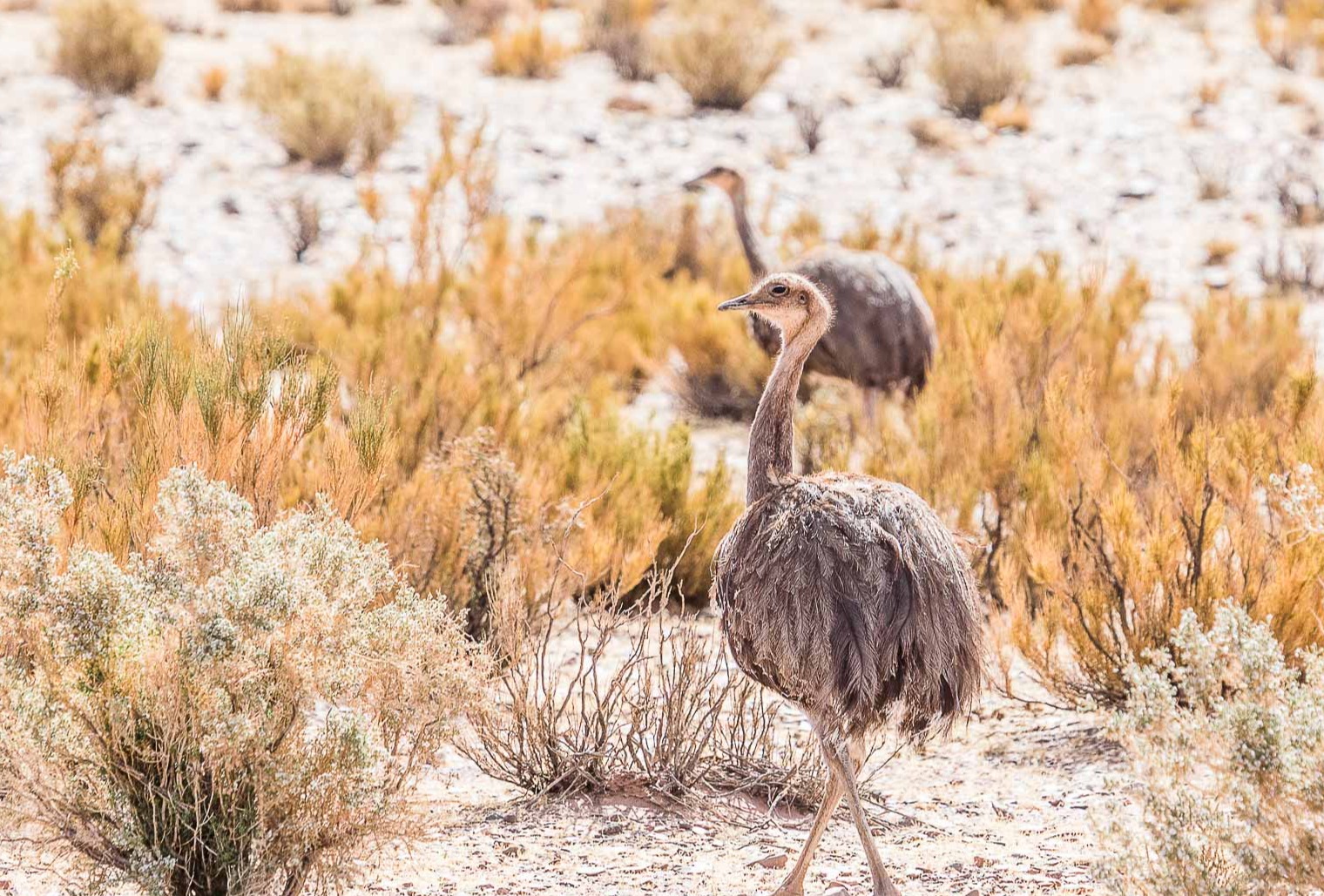
Despite its arid landscape, the puna is home to life forms that know how to endure. Among salt flats and mountains, vicuñas, foxes, and the occasional condor appear, its shadow cast across the land.
Flora
The flora of San Antonio de los Cobres, in the Puna region of Salta, is adapted to the high altitude, cold, and dry conditions. Hardy species predominate, such as tough grasses, low shrubs, and xerophytic plants that can survive with little water. Among the most common species are tola, añagua, vaca tola, checal, and yareta; which are fundamental to the local ecosystem, providing food and shelter for the fauna.
In our municipality, there are also various plants, roots, and seeds that the locals believe have aromatic and medicinal properties, such as rica rica, copa copa, suico, chinchercuma, muña muña, pupusa, airampo, and chipe chapi. These and others were used in times past to alleviate ailments and discomforts (such as fever, stomach ache, indigestion, and bone pain, among others).
Fauna
Our municipality is home to fauna adapted to the high altitude, cold, and dry conditions. Among the most emblematic species that can be observed in the vicinity of San Antonio de los Cobres are camelids such as llamas, vicuñas, and guanacos. The llama is part of the region's cultural identity and contributes to the economic livelihood of many families, providing fiber for the production of textiles and artisanal liquors, as well as meat for consumption.
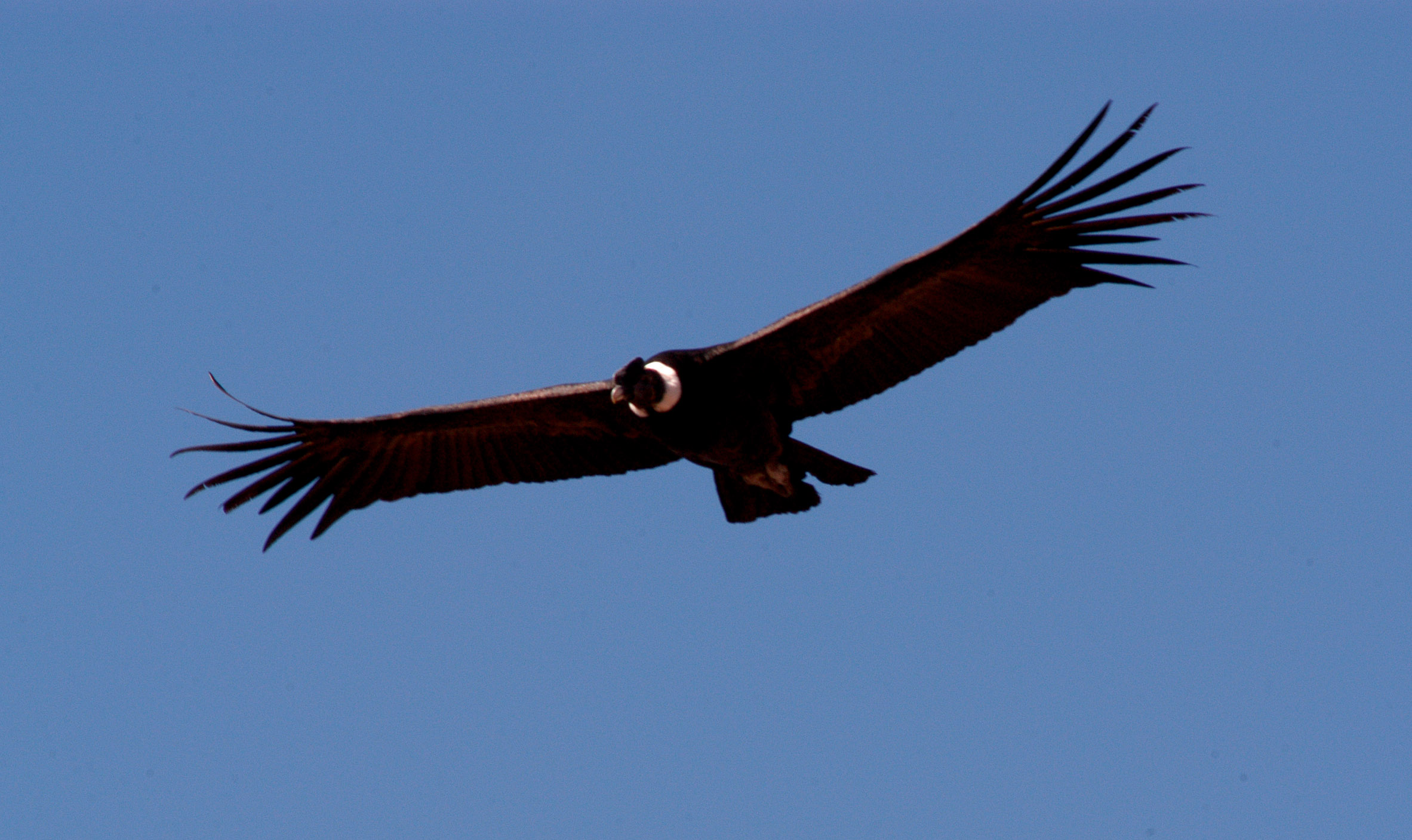
Se pueden divisar zorros andinos y pequeños roedores como las vizcacha» style=»color:#3E90CB;»>vizcachas. También se destaca el cóndor andino, el suri» style=»color:#3E90CB;»>suri y en la Laguna de santa-rosa-de-los-pastos-grandes» style=»color:#3E90CB;»>Santa Rosa de los Pastos Grandes se pueden observar salar/<a class="»" bluelink»="»»" style="»color:#3E90CB;»">flamencos» style=»color:#3E90CB;»>flamencos rosados y otras especies de patos y aves» style=»color:#3E90CB;»>aves pequeñas como el quiula puneña (Kèu) y la perdiz, que están adaptadas a la altura de la Puna.
Geography and geology
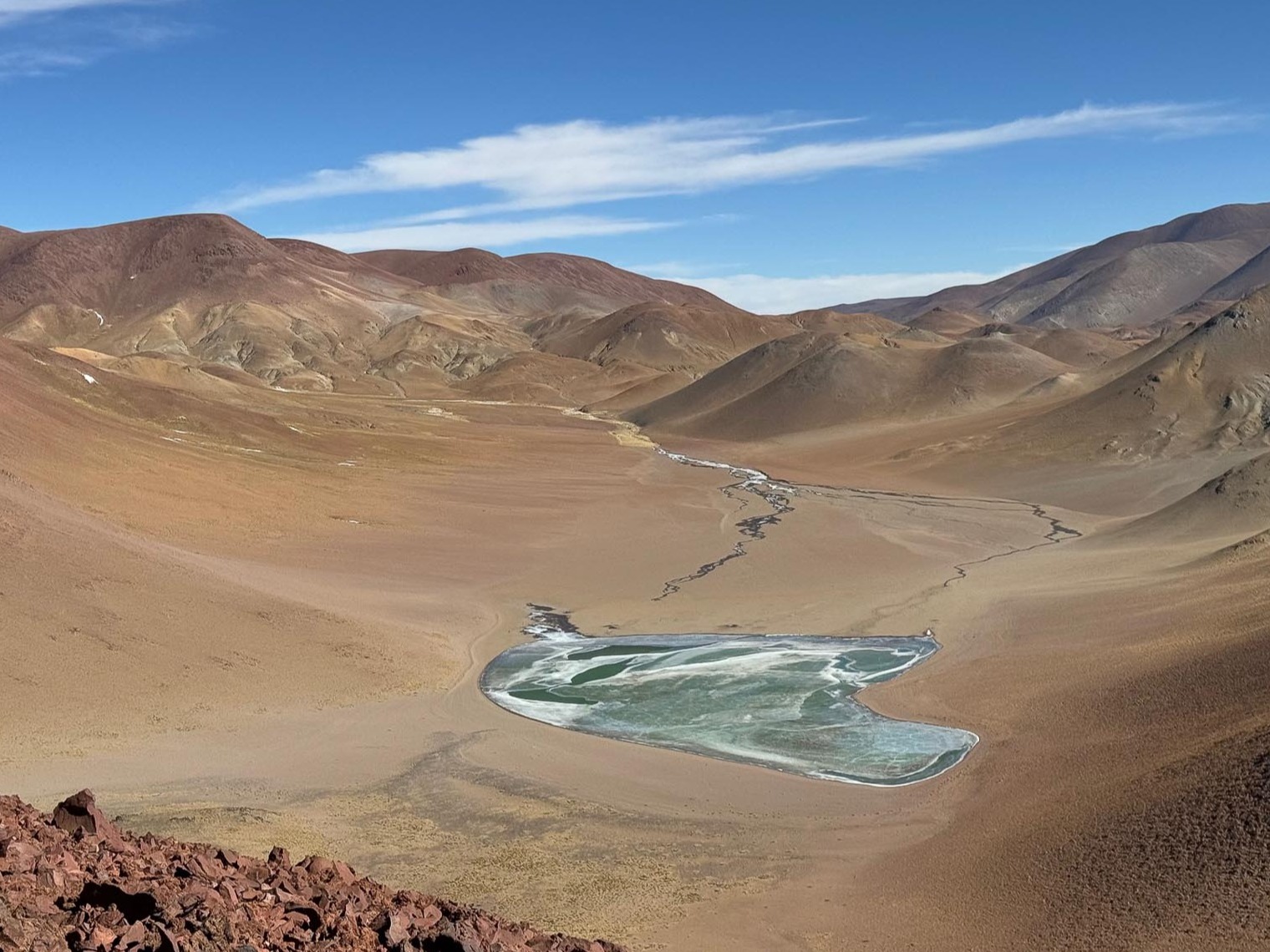
Discover our land
San Antonio de los Cobres is geographically characterized by its arid climate, classified as dry continental with scarce annual rainfall, cool temperatures year-round, and large daily temperature variations. Its topography is a high-altitude desert dotted with salt flats and shallow brackish lagoons. The soils are highly susceptible to erosion, resulting in predominantly physical weathering, exacerbated by the sparse vegetation, which consists mainly of shrubby steppes with scattered clumps of plants.
Geologically, the municipality is located within the Puna geological province, which has enormous geological and metallogenic potential. Stratigraphically, it presents a Precambrian basement composed of metamorphic rocks. The sequence continues with Ordovician volcanic rocks covered by Silurian and Devonian marine deposits. Finally, the Cenozoic era is represented by the important volcanoes that define its character, most notably the Quewar (6,130 m) and San Gerónimo (4,990 m) volcanoes.
El Negro (5,000 m). Between these volcanic materials, internal deposits resulting from endorheic drainage can be interspersed, from which the largest evaporite deposits (salt flats) develop, which have a high content of non-metallic resources.
Climate
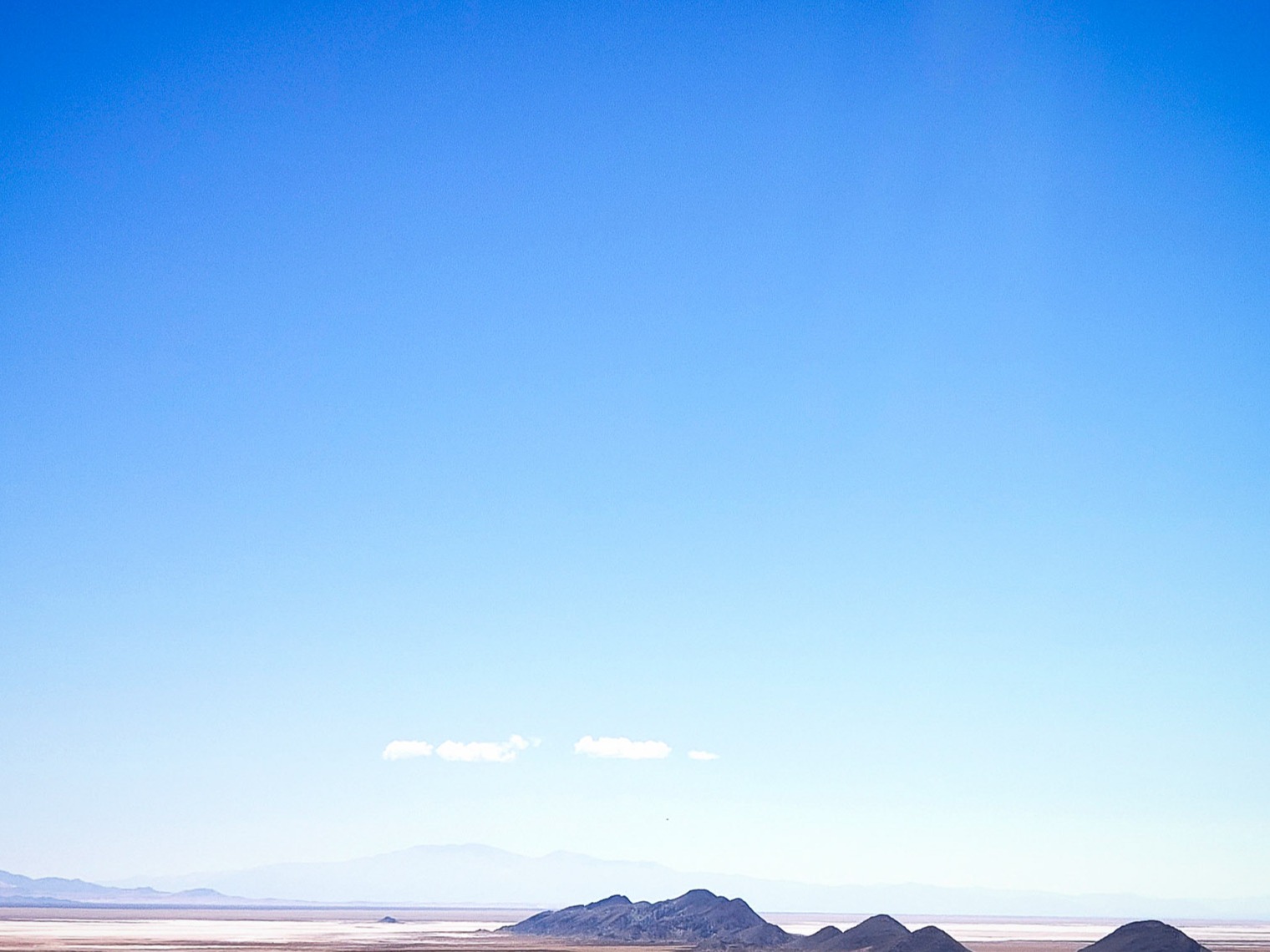
The high-altitude climate is part of the experience. Due to its altitude, the weather is a significant factor during your visit. Prepare for a unique adventure.
Enjoy one of the best climates in Salta
The Puna region is characterized by its climate and topography, which in turn influence the soils, vegetation, and fauna; this interrelationship creates a very particular environment. The climate is arid, with low humidity and cold temperatures that can vary significantly between day and night. During the day, temperatures are usually cool, while at night they can drop to very low levels, even below freezing in winter.
The rains brought by easterly winds in the summer, which fall over the mountain slopes, are unable to penetrate the Eastern Cordillera or pass through as little as a drizzle. This lack of rainfall, combined with the limited influence of humid winds, results in very low humidity. Virtually no rain falls between April and October. During the remaining months, rainfall is scarce and concentrated mainly in the form of brief downpours, sometimes accompanied by hail.
The dry air results in high solar radiation because at that altitude the sun's rays pass through far fewer atmospheric filters; the intense radiation is generated by the almost bare ground; and there are many cloudless days. Therefore, we recommend that you always wear sunscreen when you visit us.
All of this creates a huge difference between daytime and nighttime temperatures: it's not uncommon for the temperature to reach nearly 25°C at midday on a single winter day, only to drop to -15°C by nightfall. It's a very windy region; during autumn and winter, winds are frequent and can be strong, which intensifies the feeling of cold.
Contact us
If you wish to make an inquiry, please complete the following form and we will respond as soon as possible.
Contact us
If you wish to make an inquiry, please complete the following form and we will respond as soon as possible.